
Incident Investigation
This training provides the designated investigation team members and supervisors with the structured methodology and practical skills to conduct a systematic investigation into all workplace incidents, accidents, and near-misses. The course emphasizes identifying root causes, rather than just symptoms, to prevent recurrence, ensuring legal compliance, and documenting findings for corrective action and reporting purposes. It is vital for maintaining a continuous improvement cycle for occupational health and safety.
Basic Course Information
Course Duration
1 day
Price
R900
Location
On site / Your Location
Accredited
No
US ID
N/A
Accredited Through
N/A
Certificate
Yes
Certificate Expiration
3 Years
Entry Requirements
None
Detailed Course breakdown
This course is designed to transition the learner from simply recording an incident to expertly analyzing it. The focus is on employing a structured, unbiased investigation process to find systemic failures and implement effective, lasting preventive measures.
Major Topics Covered
-
Legal Requirements and Reporting
-
Understanding the OHS Act and the specific regulations governing Incident Reporting and Investigation (e.g., General Administrative Regulations).
-
Defining different types of incidents: Accident, Incident, Near-Miss, and Occupational Disease.
-
Procedures for reporting serious incidents (Section 24) to the Department of Labour (DoL).
-
Statutory reporting forms (Annexure 1) and timelines.
-
-
The Incident Investigation Process
-
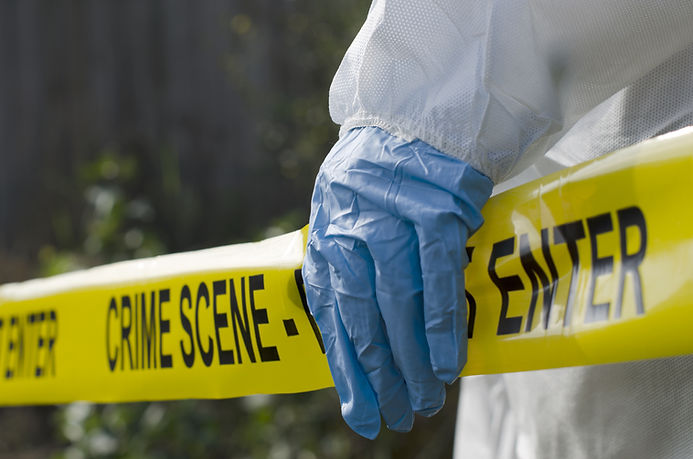
Step 1: Securing the Scene (Isolation, Preservation of Evidence).
-
Step 2: Gathering Information (Interviewing witnesses, documenting the scene with photos/sketches).
-
Step 3: Analyzing the Facts (Identifying immediate causes, underlying causes, and root causes).
-
Step 4: Developing Corrective Actions (Recommendations for control measures).
-
Step 5: Reporting and Follow-up (Completing documentation and monitoring implementation).
-
-
Root Cause Analysis (RCA) Techniques
-
Introduction to basic RCA models (e.g., Fishbone Diagram/Ishikawa or Five Whys).
-
Distinguishing between unsafe acts (human factors) and unsafe conditions (system failures).
-
Focusing on failures in the Management System (e.g., training, supervision, maintenance).
-
-
Evidence Management and Interviewing
-
Techniques for conducting unbiased and effective witness interviews.
-
Gathering and preserving physical and documentary evidence (e.g., maintenance logs, risk assessments).
-
Maintaining a Chain of Custody for evidence.
-
By the end of this course
learners will be competent to lead or participate in a formal incident investigation, accurately determine the true root causes of an event, complete all required legal documentation, and recommend effective corrective measures to prevent future recurrence.